6010, Georgia, Batumi, Rustaveli Ave, 39
M-F 10-17 | Sat 10-14 | Sun: OFF

Egg freezing

At GI Rimon, a premier Georgian-Israeli reproductive medicine center, we understand that managing your reproductive health requires forward-thinking solutions. Egg freezing, medically known as mature oocyte cryopreservation, has revolutionized fertility preservation around the globe. Our clinic operates under strict Israeli standards at affordable Georgian prices, making advanced technology accessible to everyone.

For over 5 years, our collaborative team of leading Georgian specialists and Israeli consultants has delivered exceptional care. We are proud to be responsible for over 50% of ART-conceived babies in the Adjara region. Our boutique medical model rejects a mass-market approach, focusing instead on a deeply individualized protocol to optimize your future success rates.

Whether you are facing a specific medical condition or proactively choosing to freeze eggs for personal reasons, our facility provides world-class security. Every medical treatment we perform is fully compliant with the Ministry of Health of Georgia and international ESHRE guidelines. By choosing to store your eggs with us, you can safely preserve your fertility on your own terms.

Who Needs Egg Freezing and Why?

The decision to freeze your eggs is a highly personal step that serves various medical and social circumstances. Many patients choose to undergo this process to counteract the natural, age-related decline in egg quality. A woman’s ovarian reserve decreases over time, particularly after age 37, making early fertility preservation an excellent proactive measure.

For women diagnosed with cancer, toxic treatments like chemotherapy can severely damage the ovary and cause premature infertility. In these critical situations, an urgent egg freezing process allows patients to secure healthy cells before undergoing aggressive oncology therapies. This vital medical intervention provides a reassuring psychological bridge toward future family building.

Additionally, individuals facing severe endometriosis, a history of early menopause, or scheduled reproductive surgeries utilize oocyte cryopreservation to protect their options. Outside of medical indications, women frequently freeze their eggs to pursue educational or career milestones without feeling constant pressure from their biological clock.

At our clinic center, a reproductive endocrinologist and infertility specialist evaluates each case to establish a baseline individual diagnosis. We address every underlying cause of infertility with precision, ensuring that the decision to pursue cryopreservation aligns seamlessly with your long-term family goals.

How Does Egg Freezing Occur and How Long Can They Be Stored?

The clinical egg freezing process is a highly organized, multi-step journey that requires expert laboratory tracking and close medical monitoring. The entire experience spans across several distinct phases, ensuring the highest standards of safety and care at every step.

Step 1: Ovarian Stimulation

The journey begins with targeted hormone medication to stimulate the ovary to mature multiple eggs simultaneously. Under normal circumstances, a woman produces just one mature egg per month, but ovarian stimulation encourages increased egg production. This phase requires precise individualized tracking over approximately 10 to 12 days.

During this period, you will visit our clinic for regular ultrasound scans and specific blood tests. These diagnostics allow our fertility specialist to monitor follicle growth and carefully evaluate your shifting hormone levels. This intensive tracking ensures optimal safety, helping patients minimize the risks associated with medication.

Step 2: The Egg Retrieval Procedure

Once the follicles reach their peak size, a final specialized injection is administered to trigger final egg maturation. The subsequent egg retrieval procedure is performed exactly 36 hours later. This minor surgical intervention is conducted under light sedation to ensure complete patient comfort throughout the process.

Using an advanced ultrasound probe, our specialist safely guides a fine needle through the vaginal wall directly into the ovary. The fluid inside each mature follicle is gently aspirated to collect the hidden oocytes. This precise egg retrieval process takes roughly 20 minutes, and patients can rest in our comfortable recovery lounge shortly after.

Step 3: Vitrification and Storage

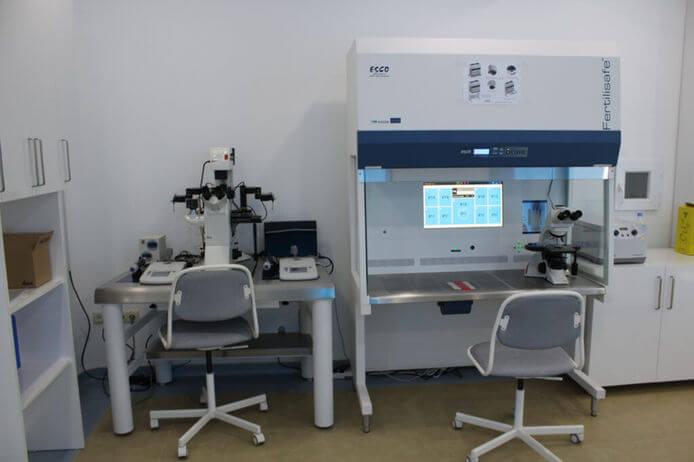
Immediately following the successful egg retrieval, the collected fluid is rushed to our state-of-the-art clinical laboratory. Our expert embryologists immediately evaluate the cells under high magnification to isolate every single mature egg. Unmature cells are separated, as only fully mature oocytes are eligible for the freezing process.

The selected eggs are then preserved using vitrification, an advanced freezing technology. Vitrification instantly cools the cells to a sub-zero state, effectively eliminating the risk of internal ice crystal formation. This modern method ensures a significantly higher survival rate during the future freezing and thawing cycle compared to older techniques.

Once the vitrification process is complete, the eggs are frozen securely inside individual straws. These straws are transferred into specialized tanks filled with liquid nitrogen, where they are stored indefinitely at a constant temperature of -196°C. Biological activity is completely suspended within the liquid nitrogen, meaning long-term storage will not degrade the quality of your cells.

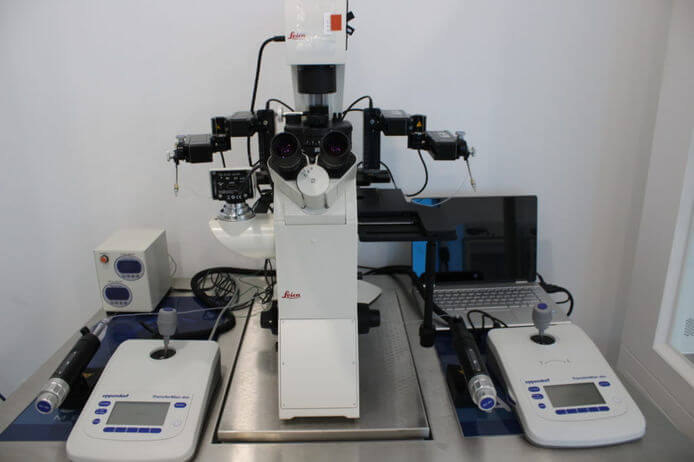
When you decide it is time to use your stored assets, the laboratory will safely thaw the cells. The surviving oocytes are then combined with a partner’s or donor sperm to achieve fertilization. To maximize success, our embryologists utilize advanced intracytoplasmic sperm injection, where a single high-quality sperm is placed directly into the egg to fertilize it.

The resulting embryo is cultured in our laboratory until it reaches the blastocyst stage. Finally, an embryo transfer places the blastocyst into the uterus to initiate a healthy pregnancy. If you eventually produce surplus embryos during standard in vitro fertilization, our clinic also provides options for freezing embryos for future use.

What are the risks?

While modern oocyte cryopreservation is an exceptionally safe and routine medical procedure, it is essential for patients to understand the potential clinical risks. The most notable medical complication associated with ovarian stimulation is ovarian hyperstimulation syndrome. This hyperstimulation syndrome occurs when the ovaries overreact to hormone medications, causing fluid retention and pelvic discomfort.

At GI Rimon, our specialists focus on prevention by designing mild, tailored stimulation protocols that drastically lower the incidence of severe side effects. We also utilize advanced screening to adjust your daily medication dosages based on real-time ultrasound feedback. Our clinic prioritizes maternal safety above all else, ensuring you avoid unnecessary physical stress.

Minor risks during the egg retrieval process include temporary post-operative cramping, light spotting, or a very low risk of pelvic infection. Furthermore, patients should be aware of emotional risks, such as the reality that not every successful egg retrieval guarantees a live birth. The ultimate success of using frozen eggs depends heavily on maternal age at the time of freezing and the overall quality of the retrieved oocytes.

Preparing for Your Journey at GI Rimon

Embarking on a fertility preservation path requires clear medical, legal, and financial guidance. Our clinic center provides complete transparency regarding the egg freezing cost, storage fees, and available medication programs. While some international patients have partial insurance coverage, we ensure our global out-of-pocket packages remain highly competitive.

We welcome international intended parents and local patients to experience our supportive, premium environment. Our legal coordinators are also available to explain complex domestic and international reproductive laws.

  • Surrogacy Compliance: Surrogacy services are provided in full compliance with Georgian law for legally eligible married couples.
  • Single Patient Solutions: Our fully integrated subsidiary in neighboring Armenia offers dedicated surrogacy options for single individuals.
  • Donor Programs: If future needs change, you can legally donate your eggs or utilize our highly screened egg donor catalog.

Our medical team focuses on providing clear information, clear timelines, and compassionate care. By combining world-class Israeli laboratory expertise with the legal flexibility of Georgia, GI Rimon provides an unmatched environment for your fertility journey. Contact us today to schedule your initial consultation with a leading reproductive endocrinologist and infertility specialist.

Egg Freezing FAQs

What is the ideal age limit to freeze my eggs for future use?

While there is no strict legal age limit, a fertility specialist typically recommends undergoing the procedure before age 35 to secure the highest possible egg quality. Egg freezing may depend heavily on your baseline ovarian reserve, but patients up to age 40 routinely achieve successful egg freezing cycles at our clinic. Our team customizes the stimulation protocol based on your specific age and medical background.

What is the primary difference between freezing eggs and freezing embryos?

The primary difference lies in whether the reproductive cell has been exposed to sperm before the vitrification process. Egg freezing preserves an unfertilized oocyte, providing total reproductive autonomy to the woman, while freezing embryos requires the eggs to be fertilized via IVF or ICSI beforehand. Both methods offer excellent success rates, and the right choice depends on your relationship status, individual diagnosis, and future family plans.

Are there any long-term pregnancy complications associated with using frozen eggs?

Extensive medical data from the American Society for Reproductive Medicine confirms that egg freezing is a safe procedure that does not increase the risk of congenital abnormalities or pregnancy complications. Children born from thawed eggs show the exact same developmental milestones as those conceived through natural fertilization or standard fresh IVF cycles. Our advanced clinical laboratory improvement amendments and strict ESHRE adherence guarantee the highest biological safety for your future family.