6010, Georgia, Batumi, Rustaveli Ave, 39
M-F 10-17 | Sat 10-14 | Sun: OFF

Embryo Freezing

At GI Rimon, a premier Georgian-Israeli medical center, we understand that preserving your fertility is a deeply personal and clinical choice. Our clinic works according to strict Israeli standards at affordable Georgian prices, making advanced reproductive medicine highly accessible. For over 5 years, our reproductive specialists and Israeli consultants have achieved exceptional results and high success rates. We are directly responsible for over 50% of ART-conceived babies in the Adjara region.

Depending on the individual diagnosis, embryo cryopreservation allows patients to store your embryos for future use. This advanced fertility treatment is fully compliant with the Ministry of Health of Georgia and international ESHRE guidelines. Our boutique medical model avoids a mass-market approach, providing an individualized protocol designed to protect embryo quality and maximize safety at every single stage.

Many patients choose to undergo an IVF cycle with the intent to freeze embryos for future attempts. Whether managing a complex cause of infertility, undergoing medical therapies, or timing family growth, the ability to freeze the embryos offers immense reproductive flexibility. Our advanced laboratory safely preserves fertilized eggs to help you achieve a healthy pregnancy when you are fully ready.

Embryo Freezing: How It Works

The entire embryo freezing process relies on advanced cryobiology to safeguard cellular integrity. A standard cycle begins with targeted hormone medication to stimulate the ovary. This hormone therapy induces the development of multiple follicles within the ovarian structure, ensuring a optimal number of eggs are matured. Clinical tracking involves regular ultrasound scans and precise hormone blood tests to monitor follicle growth safely.

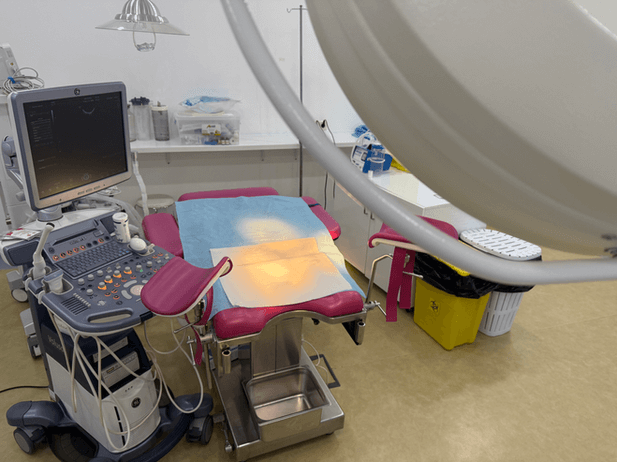
Once the follicles reach the appropriate size, a specialized injection triggers final maturation. The subsequent egg retrieval procedure is performed under light sedation. Our skilled fertility specialist collects the eggs directly from the ovary using ultrasound guidance. On the same day, a partner’s or donor sperm sample is prepared in our state-of-the-art laboratory for immediate fertilisation.

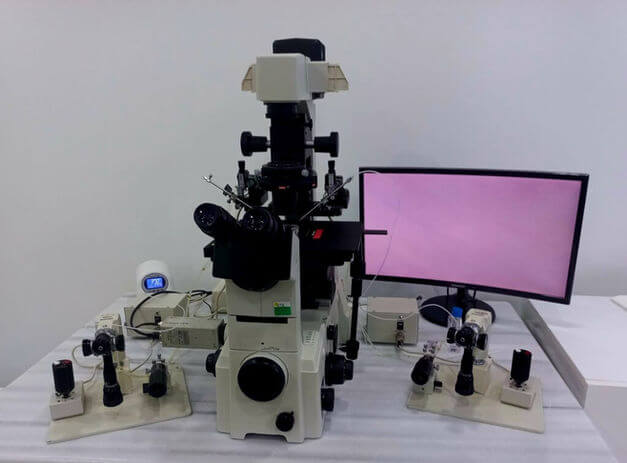
To ensure high fertilization rates, embryologists may perform standard in vitro fertilization or utilize intracytoplasmic sperm injection. Known as ICSI, this technique involves the direct injection of a single high-quality sperm into a mature egg. Following successful fertilisation, the fertilized egg develops under the careful observation of an expert embryologist. The resulting embryos are cultured until they reach the blastocyst stage.

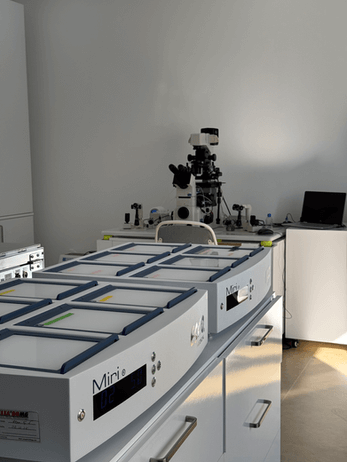
Once high-quality embryos are selected, they undergo vitrification. Vitrification is an freezing technique that prevents the formation of ice crystals. Because ice crystals can cause cellular damage during freezing, vitrification ensures superior post-thaw survival. The frozen embryos are stored in specialized individual straws and placed in liquid nitrogen tanks, where embryos are stored indefinitely at -196°C.

Embryo Freezing: How It Works

What Should You Do if You Decide to Freeze the Embryos?

Preparing for an IVF or ICSI cycle with cryopreservation requires detailed clinical and legal preparation. At GI Rimon, your patient journey begins with a comprehensive consultation. Our collaborative team evaluates your reproductive health, performs baseline diagnostics, and checks parameters like ovarian reserve and infectious screening. We also discuss your overall cost of treatment and initial options transparently.

Patients are encouraged to prepare their bodies through healthy lifestyle choices. For couples navigating legally complex paths, our legal team provides comprehensive structural guidance before any clinical procedures begin.

  • Legal Agreements: Surrogacy services are provided in full compliance with Georgian law for eligible married couples.
  • Alternative Paths: Our dedicated subsidiary in neighboring Armenia offers legally secure surrogacy options for single individuals.
  • Consents: Explicit documentation must detail how long embryos can be frozen and the precise future use of surplus embryos.

When you are ready to use your stored embryos, a frozen embryo transfer is planned. The embryologist initiates the thawing process, where the embryo is safely removed from the liquid nitrogen and warmed. The patient takes oral pills or injections containing estrogen and progesterone hormone to prepare the lining of the uterus. Once the uterus is ready to receive the embryo,  embryo transfer procedure places it safely into the uterine cavity.

When Is Embryo Freezing Necessary?

Embryo cryopreservation serves as a vital tool in modern reproductive medicine, addressing both elective and essential clinical needs. A primary reason to freeze embryos occurs during a standard IVF treatment when surplus embryos remain after a fresh embryo transfer. Storing these high-quality embryos allows for subsequent attempts without requiring another full egg retrieval.

Medical safety is another critical factor. If a patient shows signs of ovarian hyperstimulation syndrome, a fresh transfer can complicate the condition. In such cases, the medical team will freeze all viable embryos, allowing the patient’s body to fully recover before an embryo transfer is scheduled. This step heavily prioritizes maternal safety without compromising your overall success rates.

Furthermore, embryo freezing is necessary when utilizing preimplantation genetic testing. Known as PGT, this diagnostic screening requires a biopsy at the blastocyst stage to check for chromosomal abnormalities. While awaiting genetic results from the laboratory, embryos are frozen using vitrification to preserve their cellular integrity. It is also highly recommended for individuals facing toxic medical therapies that threaten future ovarian function.

How Long Can I Store My Embryos for Use in Treatment?

Scientifically, embryos can be frozen and safely stored in liquid nitrogen for an extended duration without experiencing freezing damage or degradation. Because the biological activity is completely arrested at sub-zero temperatures, the duration of storage does not negatively impact the embryo or increase the risk of birth defects during future attempts.

From a clinical standpoint, frozen embryos are stored with absolute security in our advanced laboratory facilities. However, the legal duration for storing embryos for future use varies significantly by country and local legislation. Our coordinators provide complete transparency regarding regional regulatory timelines and annual storage renewal options.

When you decide to proceed with your family plans, your selected embryos are thawed and used during a carefully synchronized menstrual cycle. Statistics demonstrate that utilizing thawed and used embryos yields success rates comparable to using fresh embryos, thanks to the precision of modern vitrification. Our medical team focuses on ensuring your stored biological assets remain perfectly preserved until you are completely ready.

Frequently Asked Questions

What is the overall cost of treatment for freezing embryos?

The total cost depends on specific diagnostic requirements, necessary hormone medication, and whether you utilize an egg or sperm donor. At GI Rimon, we combine premier Israeli medical standards with highly competitive Georgian pricing to keep your care cost-effective. A detailed financial breakdown is always provided during your initial clinic consultation.

Does the vitrification process cause freezing damage to the embryo?

Modern vitrification is an ultra-rapid flash-freezing method that completely eliminates the risk of damage during freezing caused by ice crystals. Because the liquid turns into a glass-like state instantly, cellular structures are perfectly preserved. Our skilled embryologists maintain a survival rate of over 95% during the subsequent thaw.

Can I choose to freeze embryos if I need to use an egg donor?

Yes, many patients utilize donor eggs or sperm during an assisted reproduction cycle. The resulting embryos can be frozen at the blastocyst stage for future use or for programmatic matching with surrogacy solutions. All donor programs at our clinic strictly comply with legal and ethical guidelines.

How does a frozen embryo transfer differ from a fresh embryo transfer cycle?

During a fresh cycle, the transfer takes place just days after the initial egg retrieval procedure. In a frozen embryo transfer, the embryos are first frozen, allowing the patient’s uterus and hormone levels to return to a completely natural state. This extra time allows specialists to prepare the endometrium perfectly using targeted pills or injections.