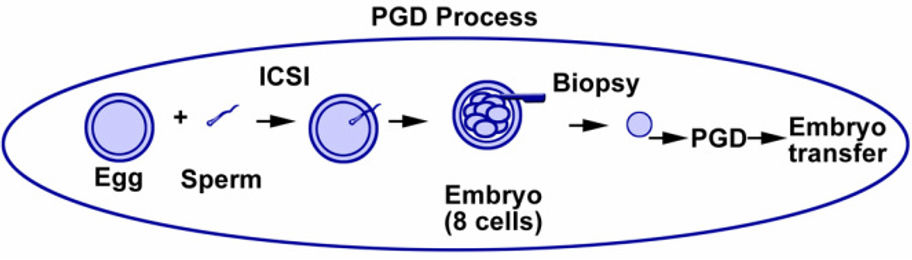


The use of preimplantation genetic diagnostics is possible only with IVF program, and at one time it became a real breakthrough in the field of assisted reproductive technologies. The ability to detect genetic disorders at the stage of pre-implantation development is a chance to significantly increase the effectiveness of infertility treatment and achieve the main goal – the birth of a healthy baby in the family.
Preimplantation genetic screening of an embryo for chromosomal abnormalities allows selecting healthy embryos with a normal number of chromosomes (euploid). Embryos with the wrong number of chromosomes (aneuploid) are either not viable, or carry the risk of giving birth to a child with a genetic pathology, including down syndrome, malformations of various organs and systems. Transferring an embryo with a normal number of chromosomes significantly increases the effectiveness of the IVF program, reduces the number of unsuccessful attempts, and reduces the risk of miscarriage.
In addition, PGD is the only method of preventing the transmission of monogenic diseases in the family. Preimplantation diagnostics technology minimizes the risk of having a child with a pathology in spouses who are carriers of a hereditary monogenic disease (a defective gene).