


Understanding Female Infertility
Definition and Overview of Infertility
Clinical infertility is defined as the inability to conceive after 12 months of unprotected intercourse, or 6 months if the patient is over 35. Rather than being a personal failure, infertility is a disease of the reproductive tract that requires specialized medical intervention. At GI Rimon, we understand how deeply this challenge affects every individual or couple.
Our boutique medical model offers deeply individualized care at every stage, stepping away from the cold, mass-market protocols of mass-market clinics. We combine leading Georgian specialists with Israeli consultants to deliver expert diagnostics and treatment. Our goal is to empower couples with clear answers and compassionate, evidence-based care.
Prevalence and Impact of Female Infertility
Issues affecting female fertility are incredibly common worldwide, yet many people with infertility suffer in silence due to societal stigma. The condition can manifest as either primary infertility, where a pregnancy has never been achieved, or secondary infertility after a previous successful birth. Millions of infertile couples navigate these complex physical and emotional trials every year.
The psychological burden associated with infertility affects daily life, personal relationships, and emotional well-being. By recognizing infertility in females as a treatable medical condition, couples can seek timely, professional support without hesitation. Our clinical team provides a reassuring environment where patients feel safe, heard, and deeply supported.
Common Causes of Female Infertility
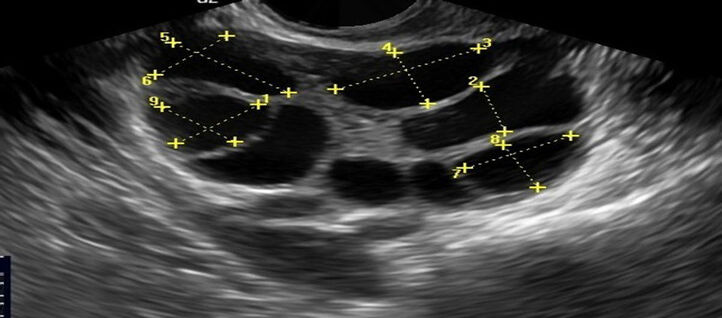
A common cause of female reproductive failure involves ovulation disorders, where the ovary fails to release mature eggs regularly. Conditions such as polycystic ovary syndrome disrupt the hormonal balance needed for a predictable menstrual cycle. Additionally, structural barriers inside the female reproductive system frequently impede natural conception.
Blockages in a fallopian tube prevent the egg and sperm from meeting, while severe endometriosis can create chronic pelvic inflammation and scarring. Structural issues like a benign uterine fibroid can also alter the uterus lining, preventing implantation. Identifying the specific cause of infertility is the essential first step toward building an effective treatment strategy.