6010, Georgia, Batumi, Rustaveli Ave, 39
M-F 10-17 | Sat 10-14 | Sun: OFF

First Visit To An Infertility Specialist – What To Expect

Taking the first step toward fertility care can feel both hopeful and overwhelming. A first fertility consultation is designed to provide answers, identify potential causes of infertility, and help you understand the treatment options available based on your individual circumstances.

At GI Rimon, patients receive personalized care from a multidisciplinary fertility team that includes reproductive specialists, embryologists, nurses, and Israeli medical consultants. The goal of the first visit is not simply to recommend treatment, but to gather important information and create a clear plan for the next stage of your fertility journey.

GI Rimon works according to strict Israeli Standards at affordable Georgian Prices. Our clinic follows a boutique medical model that provides individualized attention, evidence-based care, and ongoing support throughout the reproductive journey.

Over the past five years, GI Rimon has achieved exceptional clinical results and has been responsible for more than 50% of ART-conceived babies in the Adjara region. All fertility services are provided in accordance with Ministry of Health of Georgia requirements and ESHRE guidelines.

What Happens At The First Infertility Consultation?

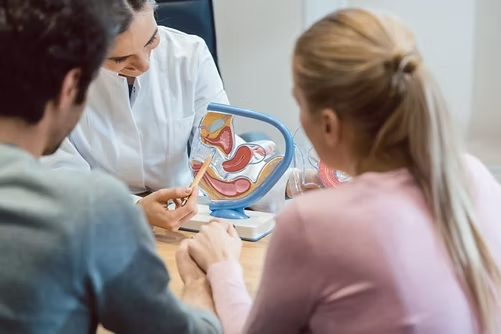
The first fertility consultation is an opportunity to meet your fertility specialist, discuss concerns, and begin a structured fertility workup. The consultation can help identify factors that may affect your ability to conceive and determine which diagnostic steps should be performed.

During the initial consultation, the physician will review your medical history, reproductive history, previous pregnancy experiences, menstrual patterns, lifestyle habits, and any previous fertility treatment. This information allows the provider to better understand your situation and recommend appropriate next steps.

If possible, attending the appointment with your partner is highly recommended. Fertility challenges may involve female, male, or combined factors, and evaluating both members of the couple often leads to a more accurate diagnosis.

The fertility specialist may ask about:

  • How long you have been trying to conceive;
  • Previous pregnancy outcomes;
  • Menstrual cycle regularity;
  • Past surgeries and medical conditions;
  • Current medication use;
  • Family reproductive and genetic history;
  • Previous fertility care or treatment;
  • Lifestyle factors affecting reproductive health.
What Happens At The First Infertility Consultation?

Following the discussion, the fertility specialist may recommend initial fertility tests. These investigations help establish a diagnosis and identify factors that may affect fertility.

Recommended testing may include:

  • Hormonal blood test evaluation;
  • Pelvic ultrasound examination;
  • Semen analysis for the partner;
  • Assessment of ovulation and ovarian reserve;
  • Evaluation of reproductive anatomy;
  • Genetic screening when indicated;
  • Additional clinical investigations.

The ultrasound allows the physician to assess the uterus, ovaries, and egg reserve. Laboratory testing provides important information about hormone levels and reproductive function.

If you have undergone previous testing, the physician will review each record carefully. Existing results often help avoid repeating investigations and allow the team to move more efficiently through the diagnostic process.

Once the evaluation is completed, the fertility specialist may discuss possible treatment options. Depending on the diagnosis, recommendations may include lifestyle changes, ovulation monitoring, fertility treatment with medication, insemination, intrauterine insemination (IUI), IVF, donor programs, or other assisted reproductive approaches.

Some patients leave the first fertility consultation with a complete diagnosis, while others require additional testing. In either situation, the consultation provides a valuable overview of the available pathways and helps patients navigate the next steps with confidence.

International patients also receive guidance regarding travel planning, future appointments, and treatment scheduling. A dedicated contact person helps coordinate communication before and after the appointment.

For patients considering advanced reproductive solutions, the first fertility consultation may also include educational discussions regarding:

  • IVF and vitro fertilization;
  • ICSI procedures;
  • Egg donation programs;
  • Sperm donation programs;
  • Embryo freezing;
  • Surrogacy arrangements;
  • Fertility preservation options.

Surrogacy services are provided in full compliance with Georgian law for eligible couples. A subsidiary in Armenia offers surrogacy options for single individuals where legally applicable.

Tips For A Prepare Successful First Appointment

Preparing for your first appointment can make the consultation more productive and reduce stress. A small amount of preparation often helps patients make the most of their time with the fertility specialist.

One helpful tip is to write down questions or concerns before the appointment. Fertility discussions often involve a large amount of information, and having a list ensures important topics are addressed.

It is also useful to prepare a timeline of your fertility journey, including previous testing, procedures, pregnancies, and treatments. This allows the provider to quickly understand your history.

Be prepared to discuss lifestyle habits, previous healthcare experiences, and reproductive goals honestly. Even details that seem unrelated can sometimes contribute to diagnosis and treatment planning.

If you have a partner, attending together is often beneficial. Shared participation helps couples understand recommendations, compare expectations, and choose future treatment options together.

Many patients feel nervous before the first fertility consultation. This is completely normal. The appointment is designed to provide clarity, education, and support rather than judgment.

At GI Rimon, our fertility team focuses on compassionate communication, practical guidance, and evidence-based recommendations. The purpose of the first consultation is to help patients understand their situation and make informed decisions about fertility care.

What Should You Bring With You?

Bringing complete documentation helps the medical team perform a thorough assessment and may reduce the need for repeated testing.

You should bring:

  • Identification documents;
  • Previous laboratory test results;
  • Hormonal evaluations;
  • Ultrasound reports;
  • Semen analysis reports;
  • Previous IVF, fertilization, insemination, or IUI records;
  • Current medication information;
  • Surgical reports and hospital summaries;
  • Genetic testing results if available;
  • A list of questions you would like to discuss.

If possible, gather a complete medical record from previous healthcare providers. This information helps the fertility specialist review your history more efficiently and determine whether additional testing is required.

Patients who have undergone assisted reproductive procedures elsewhere should bring all available documentation. Information regarding stimulation protocols, laboratory results, and previous outcomes can be valuable when developing a personalized treatment plan.

The first fertility consultation is often the beginning of an important journey toward parenthood. With proper preparation, expert guidance, and individualized care, patients can better understand their fertility status and explore the most appropriate path forward.

What Should You Bring With You?

FAQ

When Should I Schedule A Fertility Consultation?

Many patients schedule a fertility consultation after 12 months of unprotected intercourse without pregnancy. Individuals over 35 years of age or those with known reproductive concerns may benefit from an earlier appointment.

Should My Partner Attend The Consultation?

Yes. Because fertility involves both partners, attending together often provides a more complete evaluation and helps the physician identify factors affecting conception.

Will I Have Tests During The First Appointment?

Some patients may undergo a test such as blood work or ultrasound during the appointment. Others may receive a personalized schedule for future diagnostic investigations.

Can The Doctor Recommend IVF During The First Visit?

Depending on your medical history and previous results, IVF or other fertility treatment options may be discussed during the first consultation. However, recommendations are typically based on diagnostic findings rather than assumptions.

What If I Have Previous Fertility Records?

Previous records are extremely helpful. They allow the provider to review earlier findings, avoid unnecessary repeat testing, and develop a more efficient treatment strategy.

What Happens After The Initial Consultation?

After the initial consultation, the fertility specialist will review findings, recommend any additional testing, and discuss appropriate followup plans. You will receive guidance regarding diagnosis, fertility care, and the next stage of your fertility journey.